If you’ve heard about the HPV vaccine for adults but aren’t quite sure what it does, when you should get it, or whether it’s still an option for you, you’re not alone. Many people associate HPV vaccination with teenagers, leading adults to believe they’ve already missed their chance. The truth is that while the vaccine works best before exposure to the virus, many adults may still benefit depending on their individual circumstances.
Understanding how the vaccine works is the first step—but protecting yourself also means staying on top of routine preventive care. The best protection comes from a combination of expert guidance, regular screening, and vaccination when appropriate. The best way to know whether HPV vaccination and other cervical health screenings are right for you is by speaking with your healthcare provider at a trusted women’s health clinic Manila.
What Is the HPV Vaccine and Why Is It Important?
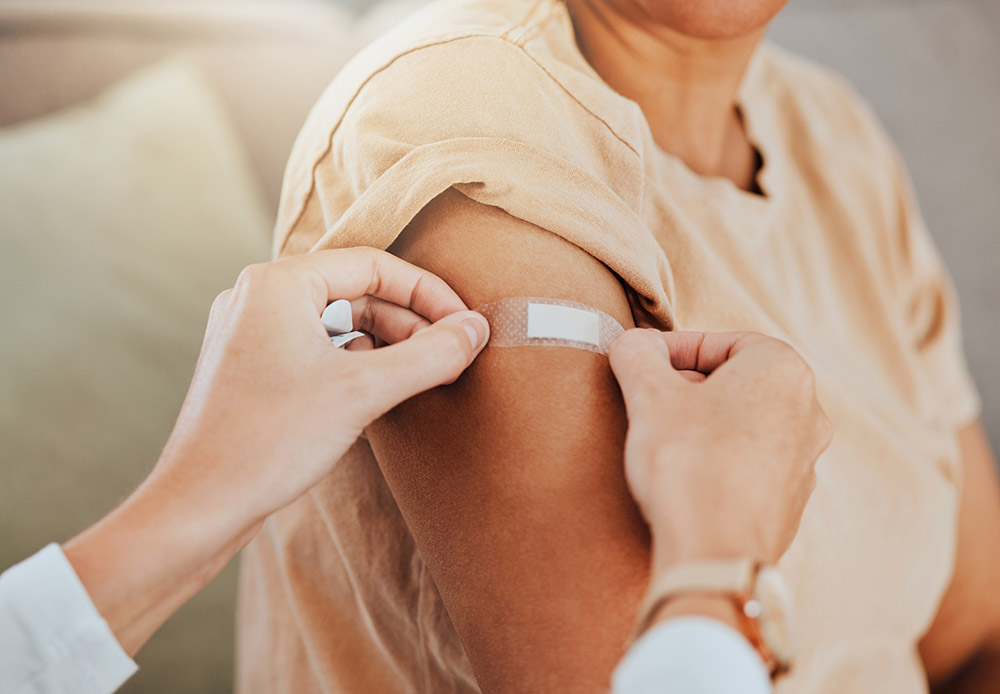 |
The HPV vaccine helps protect against certain types of human papillomavirus (HPV), one of the most common sexually transmitted infections worldwide. While many HPV infections go away on their own, some high-risk strains can lead to cervical cancer, genital warts, and other HPV-related diseases if left undetected. |
The vaccine works by training your immune system to recognize and defend against these high-risk HPV types before they have a chance to cause infection. It’s one of the most effective preventive tools available for protecting long-term reproductive health. However, vaccination is only one part of prevention. Routine cervical cancer screening, such as Pap smears, together with regular consultations, helps detect abnormal cervical changes early—even before symptoms appear.
When Should You Get the HPV Vaccine?
The HPV vaccine is most effective before exposure to HPV, which is why routine vaccination is recommended during adolescence.
- Timing is everything: Vaccination works best before HPV exposure.
- Stronger protection: Receiving the vaccine before sexual activity provides the highest level of protection against high-risk HPV strains linked to cervical cancer.
- It’s not necessarily too late: Although earlier vaccination offers the greatest protection, many adults may still benefit depending on their health history and risk factors.
How Many HPV Vaccine Shots Do You Need?
The number of HPV vaccination doses depends on your age when starting the series.
- Ages 9–14 typically receive two doses.
- Ages 15 and older generally receive three doses over several months.
- Your healthcare provider will recommend the schedule that’s appropriate for you.
Can Adults Still Benefit from the HPV Vaccine?
|
The reassuring news is yes—many adults may still benefit from the HPV vaccine for adults depending on their age, health history, and individual risk factors. Many people also wonder about the HPV vaccine age limit. Recommendations vary, so eligibility is best determined through a discussion with your healthcare provider. |
|
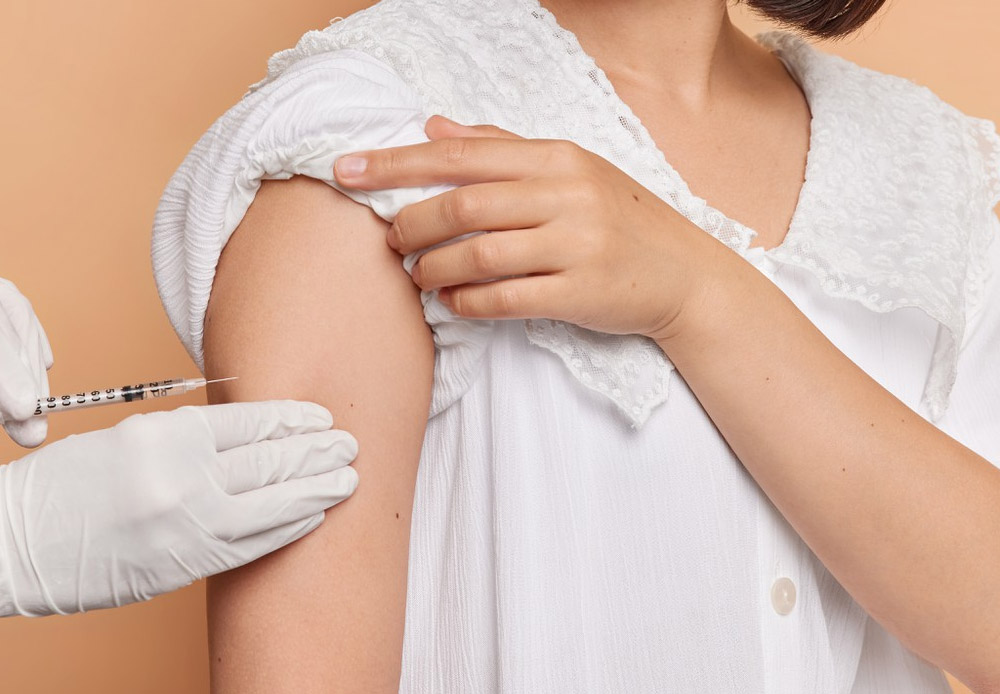
Here’s why vaccination may still be worthwhile:
- Even if you’ve been sexually active, you’re unlikely to have been exposed to every HPV type covered by the vaccine.
- The HPV vaccine for women helps protect against multiple HPV strains and may reduce the risk of future HPV infection and HPV-related diseases.
- For the best protection, HPV vaccination should be viewed as part of a preventive care plan that also includes regular consultations and recommended cervical cancer screening.
Who Should Consider Asking About the HPV Vaccine?
Not everyone has the same health history or risk factors, which is why the decision to receive the HPV vaccine for adults should always be personalized.
You may want to ask your healthcare provider if you:
- Were never vaccinated against HPV.
- Have a new or expect future sexual partner(s).
- Want to reduce your long-term risk of cervical cancer and other HPV-related conditions.
- Are unsure about the HPV vaccine age limit or whether you’re still eligible.
A consultation with your healthcare provider is the best way to determine whether the vaccine is appropriate for you.
Why Talking to Your OB-GYN Matters
 |
Your OB-GYN can assess your age, medical history, vaccination status, and lifestyle factors to determine whether HPV vaccination is recommended. They can also recommend appropriate HPV screening and routine cervical cancer screenings that help detect abnormal cervical changes early.
|
Think of prevention as three simple steps: talk with your OB-GYN to understand your personal risk, get a Pap smear to screen for early cervical cell changes, and receive the HPV vaccine if it’s recommended for you. Together, these measures provide a more complete approach to protecting your long-term reproductive health.
The Best Time to Ask Is Now
The HPV vaccine isn’t just a conversation for teenagers. It’s an important part of preventive healthcare for many people. Whether you’re learning about HPV vaccination for the first time, wondering about the HPV vaccine age limit, or asking yourself, “Can adults still get the HPV vaccine?”, having accurate information can help you make confident decisions about your health.
If you’re looking for a package that can provide a better understanding of your cervical health, Eluvo’s HPV Preventive Care Package makes prevention simple by bringing together these essential steps in one visit. You’ll receive a consultation with one of our women’s health experts to better understand your health and discuss your cervical cancer prevention plan, a Basic Pap Smear to screen for early signs of cervical cell changes that may be associated with HPV, and, if appropriate, a Gardasil® 9 HPV vaccination to help protect against HPV-related diseases, including cervical cancer.
Available at a special package rate of ₱9,900 until September 30, 2026, the HPV Preventive Care Package is designed for women who want a more comprehensive approach to cervical health. For bookings or inquiries, contact Eluvo at +63 917 169 5475.