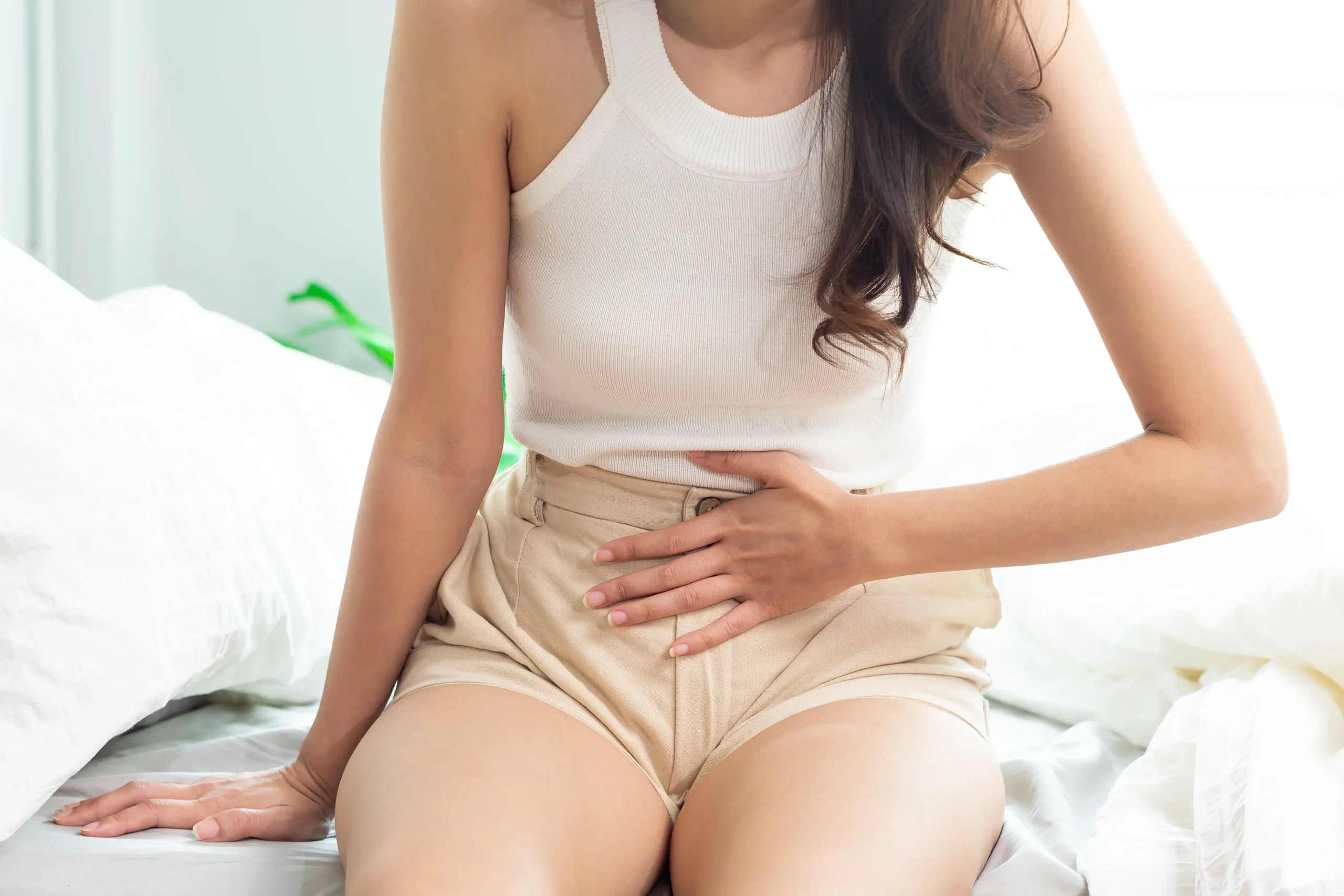
Why Painful Periods Shouldn’t Be Ignored
- Endometriosis is a chronic condition where tissue similar to the uterine lining grows outside the uterus.
- It affects an estimated 1 in 10 women worldwide, but remains underdiagnosed in the Philippines.
- Painful periods that interfere with daily life are not normal and should not be dismissed.
- Symptoms vary widely and may include severe menstrual pain, pelvic pain, painful sex, bowel symptoms, and fertility challenges.
- Diagnosis is often delayed for years due to normalisation of pain and limited awareness.
- Early evaluation and long-term management can significantly improve quality of life.
- Care is available through both public and private healthcare settings in the Philippines.
Disclaimer & Medical Advice
This article is provided for educational purposes only and does not replace consultation with a licensed OB-GYN or qualified healthcare professional. Endometriosis presents differently in each woman, and diagnosis and treatment require individualised medical assessment. If you experience persistent or severe pain, consult a healthcare provider for proper evaluation and care.
Why This Conversation Matters
For many Filipino women, painful periods are treated as a fact of life.
Pain relievers are packed into bags each month. Workdays are endured quietly. Plans are cancelled without explanation. Some women learn to schedule their lives around their cycle—expecting exhaustion, pain, or discomfort as something to be tolerated.
Often, the advice given is simple: “Normal lang yan.”
Or worse: “Tiisin mo na lang.”
But pain that disrupts daily life is not a rite of passage.
It can be a sign of something more.
Endometriosis is one of the most common—and most misunderstood—causes of chronic menstrual pain. Understanding it can be the difference between years of silent suffering and informed care.
What Is Endometriosis?
Endometriosis is a condition where tissue similar to the lining of the uterus (the endometrium) grows outside the uterus.
These growths are most commonly found on:
- The ovaries
- Fallopian tubes
- Pelvic lining
- Areas around the bladder or intestines
This tissue responds to hormonal changes during the menstrual cycle, but unlike normal menstrual tissue, it has no way to exit the body. This can lead to inflammation, scarring, and pain over time.
Endometriosis is a chronic condition, meaning it often requires long-term management rather than a one-time treatment.
How Common Is Endometriosis?
Globally, endometriosis affects about 10% of women of reproductive age.
In the Philippines, the true number is likely higher—but underreported.
Reasons include:
- Cultural normalisation of menstrual pain
- Limited awareness beyond “bad cramps”
- Delayed access to specialist care
- Misattribution of symptoms to stress or lifestyle
Many women live with symptoms for years—sometimes a decade or more—before receiving a diagnosis.
Common Symptoms of Endometriosis
Endometriosis does not look the same in every woman. Some experience severe pain; others have subtle or fluctuating symptoms.
Severe Menstrual Pain (Dysmenorrhea)
This is the symptom most commonly associated with endometriosis.
Pain may:
- Begin days before menstruation
- Worsen during periods
- Feel sharp, deep, or debilitating
Unlike typical cramps, endometriosis-related pain often does not respond well to standard pain medication.
Chronic Pelvic Pain
Some women experience pain even outside their period.
This may feel like:
- A constant dull ache
- Intermittent sharp pain
- Discomfort during long periods of sitting or standing
Pain During or After Sex
Pain during intercourse is a commonly overlooked symptom.
Many women hesitate to mention this due to embarrassment or cultural stigma, yet it is an important clinical clue.
Bowel or Bladder Symptoms
Endometriosis can affect areas near the intestines or bladder, leading to:
- Pain during bowel movements
- Diarrhea or constipation during periods
- Pain with urination, especially during menstruation
These symptoms are sometimes mistaken for gastrointestinal issues.
Fatigue
Chronic inflammation and pain can lead to persistent exhaustion, even with adequate rest.
Difficulty Conceiving
Endometriosis is associated with fertility challenges in some women, though many women with endometriosis can and do conceive, naturally or with medical support.
Why Painful Periods Are Often Ignored
One of the biggest barriers to diagnosis is normalisation.
Many Filipino women are taught early on that:
- Periods are supposed to hurt
- Complaining is unnecessary
- Pain is part of being a woman
Healthcare visits may be delayed because:
- Symptoms are minimised
- Pain is treated symptomatically without investigation
- Women feel dismissed or unheard
Over time, this can lead women to doubt their own experiences.
Endometriosis Is Not “Just Bad Cramps”
A key misconception is that endometriosis pain is simply stronger menstrual cramps.
In reality:
- It often worsens over time
- It may extend beyond menstruation
- It can affect multiple body systems
Pain severity does not always match disease severity—but any pain that affects quality of life deserves attention.
How Is Endometriosis Diagnosed?
Diagnosing endometriosis can be challenging.
There is no single blood test that definitively diagnoses the condition.
Clinical Evaluation
Diagnosis often begins with:
- Detailed symptom history
- Menstrual and pain patterns
- Physical examination
Listening to the patient’s experience is critical.
Imaging
- Ultrasound may detect ovarian endometriomas (“chocolate cysts”)
- However, many cases are not visible on ultrasound
Laparoscopy
The only definitive way to diagnose endometriosis is through laparoscopy, a minimally invasive surgical procedure.
Not all women require surgery for diagnosis—especially if symptoms can be managed clinically.
Why Diagnosis Is Often Delayed
Globally, the average delay in diagnosis is 7–10 years.
In the Philippines, contributing factors include:
- Limited specialist access
- Financial and logistical barriers
- Cultural silence around pain
- Lack of awareness among both patients and providers
Earlier recognition can reduce years of unnecessary suffering.
Living With Endometriosis: Long-Term Considerations
Endometriosis is a chronic condition, but it is manageable.
Management focuses on:
- Pain control
- Reducing inflammation
- Preserving fertility (when desired)
- Improving daily functioning
Pain Management
This may include:
- Hormonal treatments to suppress menstrual cycles
- Non-hormonal pain management strategies
- Individualised treatment plans
Fertility Considerations
Not all women with endometriosis will have fertility issues.
For those who do:
- Early discussion allows better planning
- Fertility-preserving strategies may be considered
Mental and Emotional Well-Being
Living with chronic pain can affect:
- Mood
- Relationships
- Work productivity
- Self-esteem
Emotional support is a valid and important part of care.
When Should You See a Doctor?
Consider consulting an OB-GYN if you experience:
- Severe menstrual pain that disrupts daily life
- Pain that worsens over time
- Pelvic pain outside your period
- Pain during sex
- Fertility concerns
You do not need to “wait until it’s unbearable” to seek care.
Where to Get Endometriosis Care in the Philippines
Public Health Options
- Government hospitals
- Tertiary referral centers
- PhilHealth-supported consultations and procedures
Private Clinics
- OB-GYN clinics
- Women’s health centers like Eluvo
Private care may offer shorter wait times and more individualised management.
Key Endometriosis Terms in Tagalog
- Endometriosis – endometriosis
- Painful period – masakit na regla
- Pelvic pain – pananakit ng balakang
- OB-GYN – doktor para sa kalusugan ng kababaihan
Frequently Asked Questions
Is endometriosis hereditary?
There may be a genetic component, but not all women with family history develop the condition.
Can endometriosis go away on its own?
It is a chronic condition, but symptoms can improve with proper management.
Does pregnancy cure endometriosis?
Pregnancy may temporarily improve symptoms for some women, but it is not a cure.
Is surgery always required?
No. Many women manage symptoms effectively without surgery.
Pain Is Information, Not Something to Endure
Many Filipino women are taught to endure pain quietly—to push through discomfort and minimise their experiences.
But pain is information.
Severe or persistent menstrual pain is not something to ignore, tolerate, or dismiss. It is a signal that deserves attention, understanding, and care.
Endometriosis is not rare, and it is not a personal weakness. With awareness, early evaluation, and proper support, women can regain control over their health and quality of life.
If you are experiencing symptoms or have concerns, consultation with a qualified OB-GYN can help you understand your options. At Eluvo, our team is here to support Filipino women with clear, compassionate, and evidence-based care.