
Symptoms, Diagnosis, and Long-Term Health Risks
- Polycystic Ovary Syndrome (PCOS) is a common hormonal condition that affects 1 in 10 women of reproductive age worldwide, but remains underdiagnosed in the Philippines.
- Symptoms vary widely and may include irregular periods, acne, weight changes, excess hair growth, and difficulty conceiving.
- PCOS is not just a fertility issue—it is linked to long-term health risks such as diabetes, heart disease, and metabolic syndrome.
- Diagnosis is based on a combination of symptoms, blood tests, and ultrasound findings—not just the presence of ovarian cysts.
- Early diagnosis and long-term management can significantly improve quality of life and reduce health risks.
- PCOS management is available through both public and private healthcare systems in the Philippines.
Disclaimer & Medical Advice
This article is provided for educational purposes only and does not replace consultation with a licensed OB-GYN or qualified healthcare professional. PCOS presents differently in each woman, and diagnosis and management should be individualised. If you suspect PCOS or experience concerning symptoms, consult a healthcare provider for proper evaluation and care.
Why PCOS Matters More Than Many Women Realise
For many Filipino women, PCOS is discovered accidentally.
It may come up during a fertility check, an ultrasound for irregular periods, or a consultation for acne or weight gain. Others live with symptoms for years—irregular cycles, unpredictable periods, persistent skin problems—without ever being told there is an underlying condition connecting them.
Some are reassured that it’s “normal,” that they just need to lose weight, or that they can address it later when they want to get pregnant.
But PCOS is not a condition that only matters when fertility becomes a concern.
PCOS is a hormonal and metabolic condition that can affect a woman’s health across her entire lifespan. Understanding it early allows women to manage symptoms, protect long-term health, and make informed decisions about their bodies.
What Is PCOS?
Polycystic Ovary Syndrome (PCOS) is a hormonal condition characterised by an imbalance in reproductive hormones.
Despite its name, PCOS is not defined solely by cysts on the ovaries. In fact, many women with PCOS do not have visible cysts, while some women without PCOS may have polycystic-appearing ovaries.
PCOS affects:
- Menstrual regularity
- Ovulation
- Hormone levels (especially androgens or “male hormones”)
- Metabolism and insulin sensitivity
This is why symptoms can look very different from one woman to another.
How Common Is PCOS in Filipino Women?
Globally, PCOS affects an estimated 8–13% of women of reproductive age, depending on diagnostic criteria. However, in the Philippines, PCOS is believed to be significantly underdiagnosed.
Reasons include:
- Limited awareness of PCOS beyond fertility issues
- Normalisation of irregular periods and acne
- Delayed healthcare access
- Lack of routine hormonal screening
Many Filipino women only learn they have PCOS when they struggle to conceive—missing years where early management could have helped.
Common Symptoms of PCOS (And How They Often Show Up)
PCOS symptoms usually develop gradually. Many women don’t notice them as a “syndrome,” but rather as a collection of unrelated concerns.
Irregular or Absent Periods
One of the most common signs of PCOS is irregular menstruation.
This may look like:
- Periods that come every 2–3 months
- Missed periods
- Unpredictable cycle length
Some women grow accustomed to this irregularity, especially if it started during their teenage years.
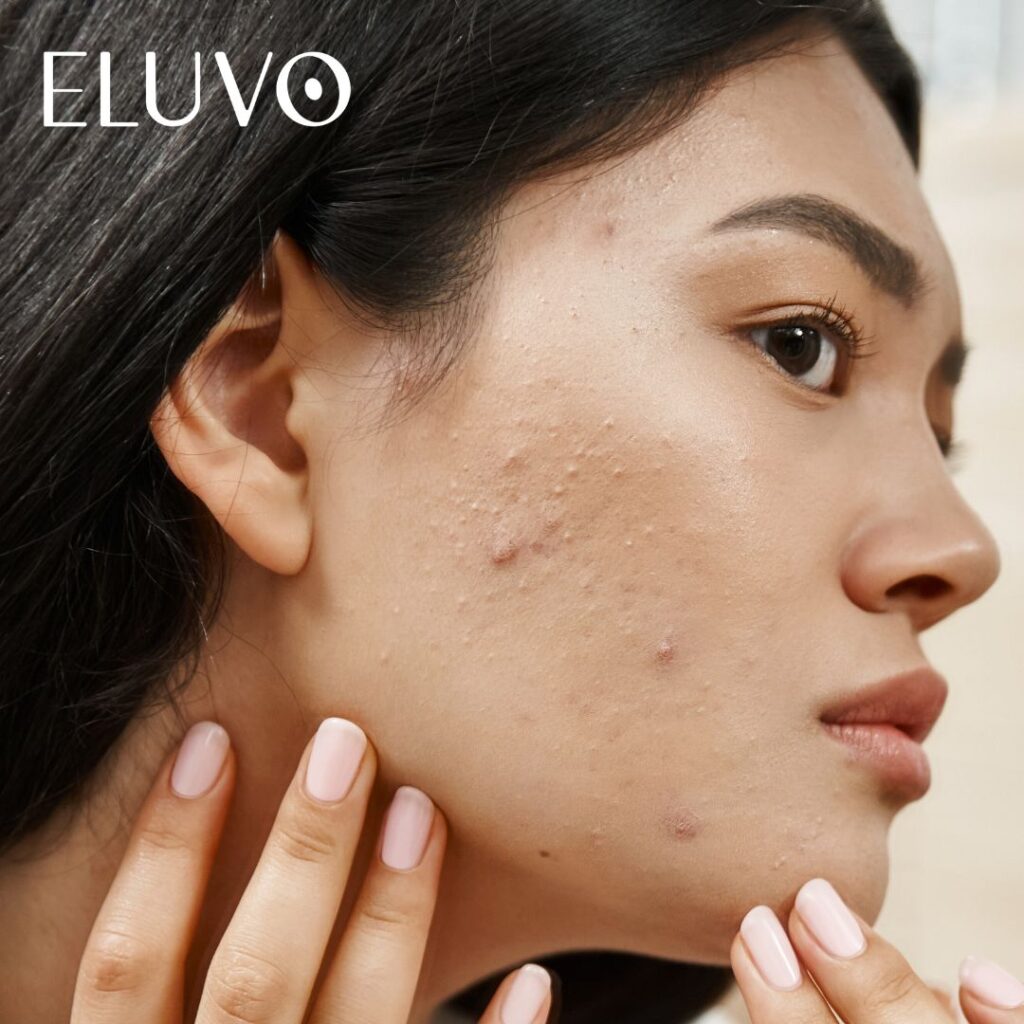
Acne and Oily Skin
Persistent acne—especially along the jawline, chin, or lower face—may be linked to elevated androgen levels.
Unlike typical teenage acne, PCOS-related acne:
- Often continues into adulthood
- May not respond well to over-the-counter treatments
Excess Hair Growth (Hirsutism)
Some women notice:
- Thick hair growth on the face, chest, abdomen, or back
This can be distressing, yet many women hesitate to raise it during consultations due to embarrassment or cultural stigma.
Weight Gain or Difficulty Losing Weight
Many women with PCOS find weight gain occurs easily and weight loss is unusually difficult—even with diet and exercise.
This is often related to insulin resistance, a core feature of PCOS.
Thinning Hair or Hair Loss
Hair thinning on the scalp, particularly at the crown or temples, can also occur due to hormonal imbalance.
Difficulty Getting Pregnant
PCOS is one of the leading causes of ovulatory infertility, but not all women with PCOS will struggle to conceive.
Some ovulate irregularly, while others may not ovulate at all without medical support.
PCOS Is Not Just a Reproductive Condition
One of the most misunderstood aspects of PCOS is that it affects far more than the ovaries.
PCOS is closely linked to how the body processes insulin, which has implications for long-term health.
Long-Term Health Risks Associated With PCOS
Insulin Resistance and Type 2 Diabetes
Many women with PCOS have insulin resistance, meaning their bodies require more insulin to regulate blood sugar.
Over time, this increases the risk of:
- Prediabetes
- Type 2 diabetes
This risk exists even in women who are not overweight.
Cardiovascular Disease
PCOS is associated with:
- High cholesterol
- High blood pressure
- Increased cardiovascular risk later in life
These risks often develop silently over time.
Endometrial Hyperplasia and Cancer Risk
Irregular or absent periods can cause the uterine lining to build up without regular shedding.
Over long periods, this may increase the risk of:
- Endometrial hyperplasia
- Endometrial cancer
This is why cycle regulation is important—even if pregnancy is not a goal.
Mental Health Impact
Living with PCOS can affect emotional wellbeing.
Many women report:
- Anxiety
- Low self-esteem
- Body image concerns
- Frustration with delayed diagnosis
These effects are real and deserve attention.
How Is PCOS Diagnosed?
There is no single test for PCOS.
Diagnosis is based on a combination of findings, commonly using the Rotterdam criteria, which require at least two of the following:
- Irregular or absent ovulation
- Signs of excess androgens (clinical or blood tests)
- Polycystic-appearing ovaries on ultrasound
Other conditions—such as thyroid disorders or elevated prolactin—must first be ruled out.
Common Tests Used in Diagnosis
- Menstrual history review
- Blood tests (hormones, blood sugar, cholesterol)
- Pelvic ultrasound
A proper diagnosis often takes time and follow-up.
Why PCOS Is Often Missed in the Philippines
Several factors contribute to delayed diagnosis:
- Normalisation of irregular periods
- Limited routine screening
- Focus on fertility rather than overall health
- Short consultation times
- Lack of awareness that lean women can also have PCOS
As a result, many women are diagnosed years after symptoms begin.
Managing PCOS: A Long-Term Approach
PCOS cannot be “cured,” but it can be effectively managed.
Management depends on a woman’s symptoms, health risks, and life stage.
Lifestyle Management
For many women, management includes:
- Balanced nutrition
- Regular physical activity
- Adequate sleep
- Stress management
These changes help improve insulin sensitivity and hormone balance.
Cycle Regulation
Hormonal medications may be used to:
- Regulate menstrual cycles
- Protect the uterine lining
- Reduce androgen-related symptoms
Fertility Support
For women trying to conceive, treatment may focus on:
- Inducing ovulation
- Supporting regular cycles
Many women with PCOS go on to conceive successfully with appropriate care.
Long-Term Monitoring
Ongoing follow-up may include:
- Blood sugar monitoring
- Cholesterol checks
- Blood pressure assessment
PCOS management is lifelong, not just for reproductive years.
When Should You See a Doctor?
Consider consulting an OB-GYN if you experience:
- Irregular or absent periods
- Persistent acne or excess hair growth
- Unexplained weight changes
- Difficulty conceiving
- Concerns about long-term health
Early evaluation allows earlier intervention.
Where to Get PCOS Care in the Philippines
Public Health Options
- Government hospitals
- Barangay health centers
- PhilHealth-covered consultations and tests
Private Clinics
- OB-GYN clinics
- Women’s health centers like Eluvo
Private care may allow more comprehensive hormonal and metabolic evaluation.
Key PCOS Terms in Tagalog
- Polycystic ovary syndrome – polycystic ovary syndrome (PCOS)
- Irregular period – hindi regular na regla
- Excess hair growth – sobrang pagtubo ng balahibo
- Insulin resistance – resistensya sa insulin
Frequently Asked Questions
Can I have PCOS even if I am thin?
Yes. PCOS affects women of all body types.
Does having PCOS mean I can’t get pregnant?
No. Many women with PCOS conceive naturally or with treatment.
Is PCOS lifelong?
Yes, but symptoms and risks can be managed with proper care.
Do I need treatment if I’m not planning to get pregnant?
Yes. PCOS management protects long-term health beyond fertility.
Understanding PCOS Is an Act of Self-Care
Many Filipino women live with PCOS for years without a name for what they are experiencing.
Understanding PCOS allows women to move from self-blame to self-care—from enduring symptoms to managing their health with clarity and confidence.
PCOS is not a personal failure, and it is not something to address only when fertility becomes a concern. With proper support, women with PCOS can protect their health, plan their futures, and live well.
If you are experiencing symptoms or have questions, consultation with a qualified OB-GYN can help you understand your options and take the next step with confidence. At Eluvo, our team is here to support Filipino women with compassionate, evidence-based care.